Ling and the Corrupted Hollow
Personal Postmortem
What I Learned…
Motivation Through Atmosphere
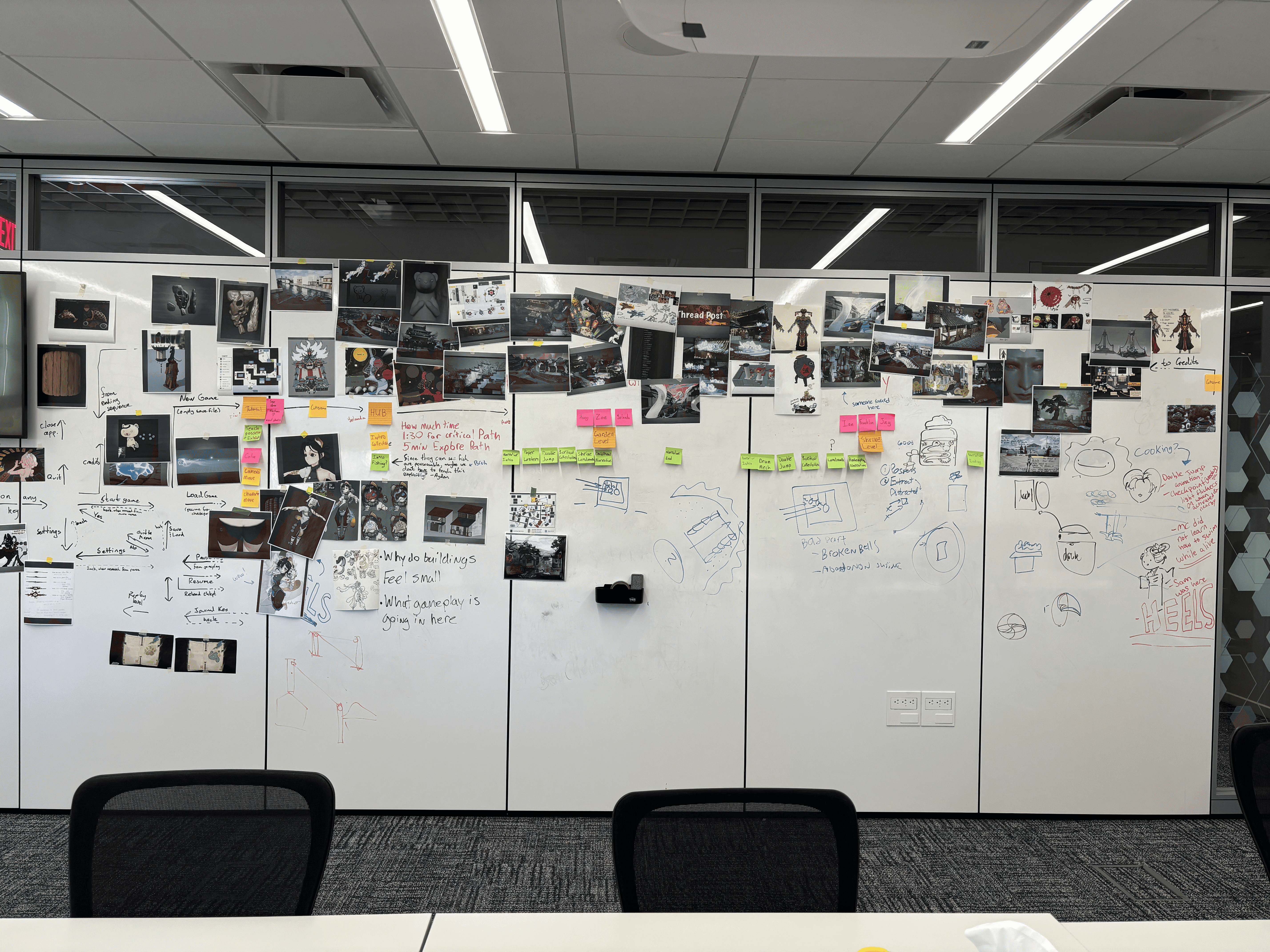
A really important part of this project for me was creating an enjoyable work environment. My co-producer and I decorated the room, brought in toys and treats, and created “The Wall” where the team could share memes, art, and ideas. We also respected that everyone works differently, offering quiet, isolated spaces for those who needed focus. This taught me how important it is to balance fun and productivity, ensuring the team feels motivated without letting distractions derail progress.
Keep Everyone in the Loop
Even though the team always did Scrums every day to keep each other accountable and up to date with progress, keeping the team informed at the start and end of each day was crucial. We held announcements and updates, sometimes verbally or through a slideshow, so everyone knew where the project stood. This transparency created trust and allowed the team to feel confident in decisions coming from the leads. I learned that regular communication isn’t just about sharing progress, it’s about fostering trust and alignment across the team.
Burnout Is Real
Anyone who has worked on a project for a long stretch of time knows that it can cause heavy burnout, and we saw first-hand how team excitement can fade over time. Several members who were initially eager to come in and work every day became tired and frustrated by the end of the project. To help, I met with team members individually to understand what they wanted to work on and how leads could support them. I learned that recognizing when something isn’t working, adjusting assignments or priorities is key to keeping morale high and the team productive throughout a long-term project.
Learning to Trim Scope
Originally, our game was supposed to have a massive hub area connecting all the levels, but it quickly became clear this was out of scope. While it was a cool idea that would have added narrative exploration and extra puzzles, the sheer size made it impossible to finish on time. By the end of our Alpha milestone, we decided to cut the hub by 85%, keeping only the essential sections the game needed. This taught me the lesson that even exciting ideas need to be balanced against the time available and the risk of burning out the team even more.
Puzzles Aren’t Easy
Designing puzzles proved to be far more difficult than anticipated. Our unique mechanic of using little spirits to move or unlock objects created a lot of creative opportunities, but it also meant the design team spent countless hours figuring out how to make puzzles fun, engaging, and not repetitive. By the time we reached Alpha, the puzzles finally felt unique, but it was late in development, and the game had shifted from a “puzzle platformer” to a platformer with scattered puzzles. A major takeaway from this project is that puzzles require extensive testing, iteration, and time to feel right, and that rushing them can change the core experience of a game.
Designing With Cultural Accuracy
Creating a game inspired by ancient fantasy China taught me the importance of cultural accuracy and attention to detail. We researched everything from architecture, art, and even naming conventions, where we finally ended up with the protagonist’s name being, Ling, meaning “Spirit” and “Bell” in Chinese. We also ensured the game could be translated into Simplified and Traditional Chinese, keeping the experience authentic. This taught me how meticulous you must be when designing a game influenced by another culture, and how small details can make a huge difference in player trust and immersion.
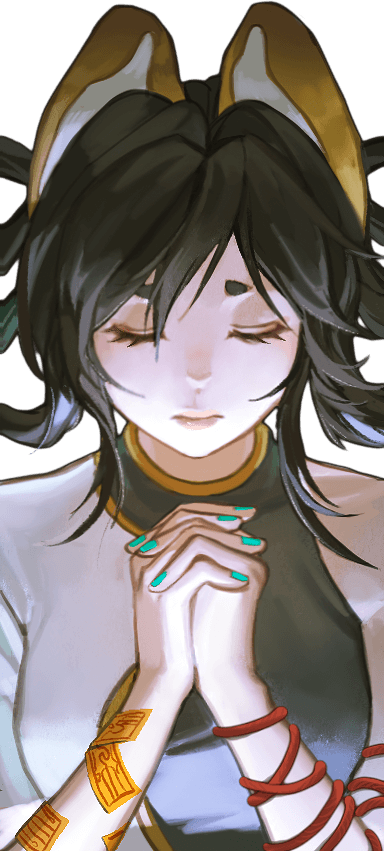
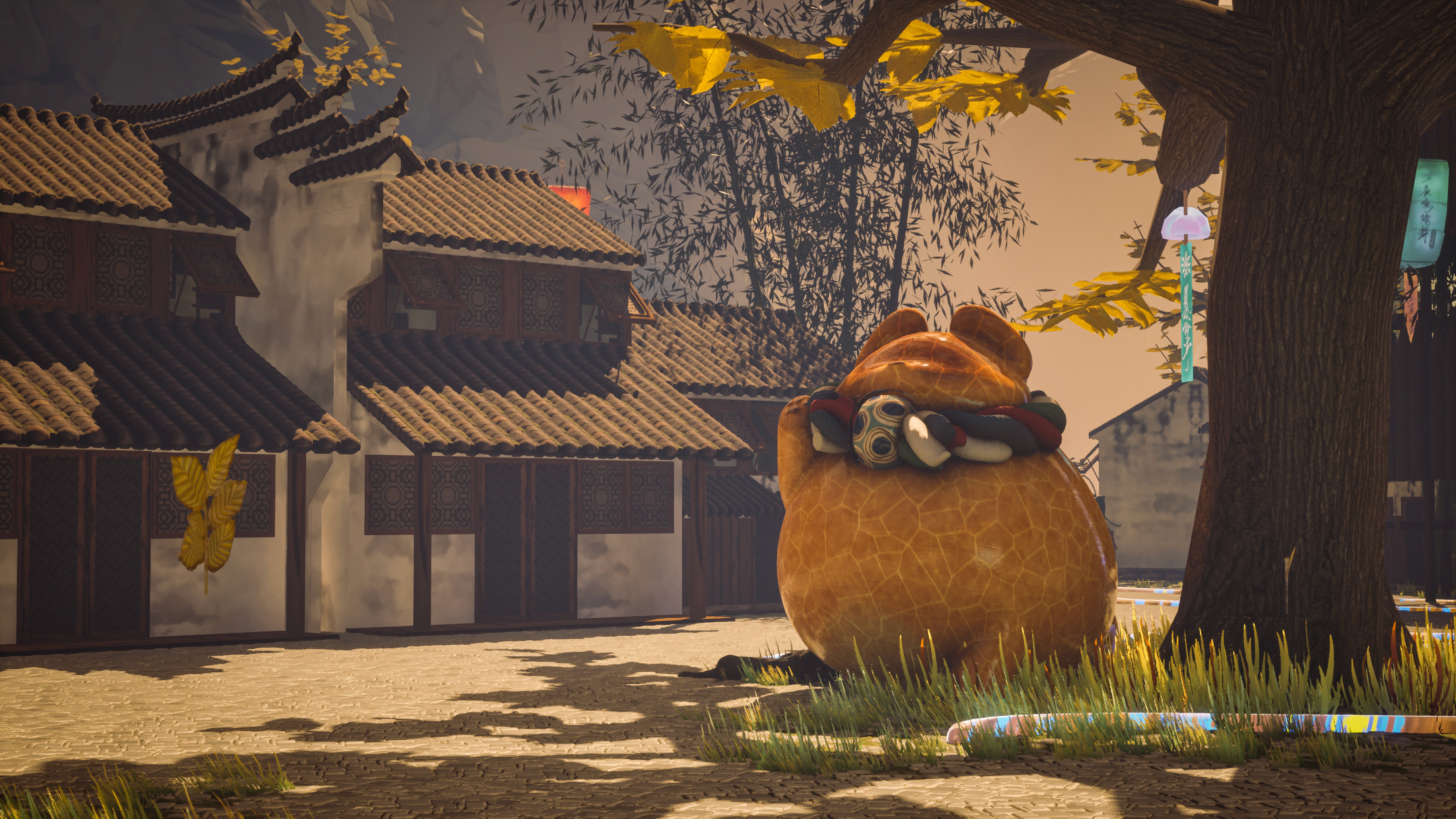
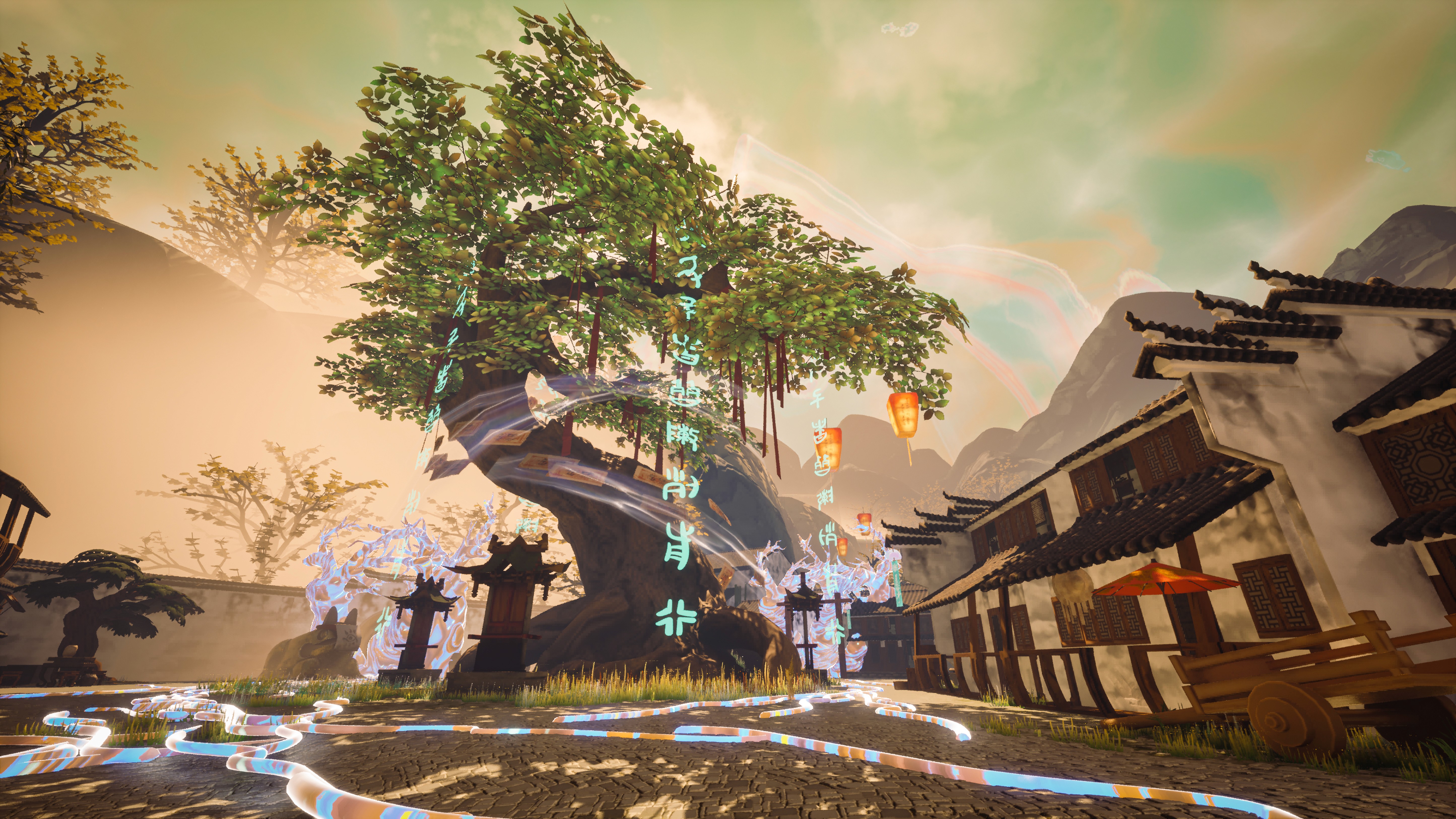
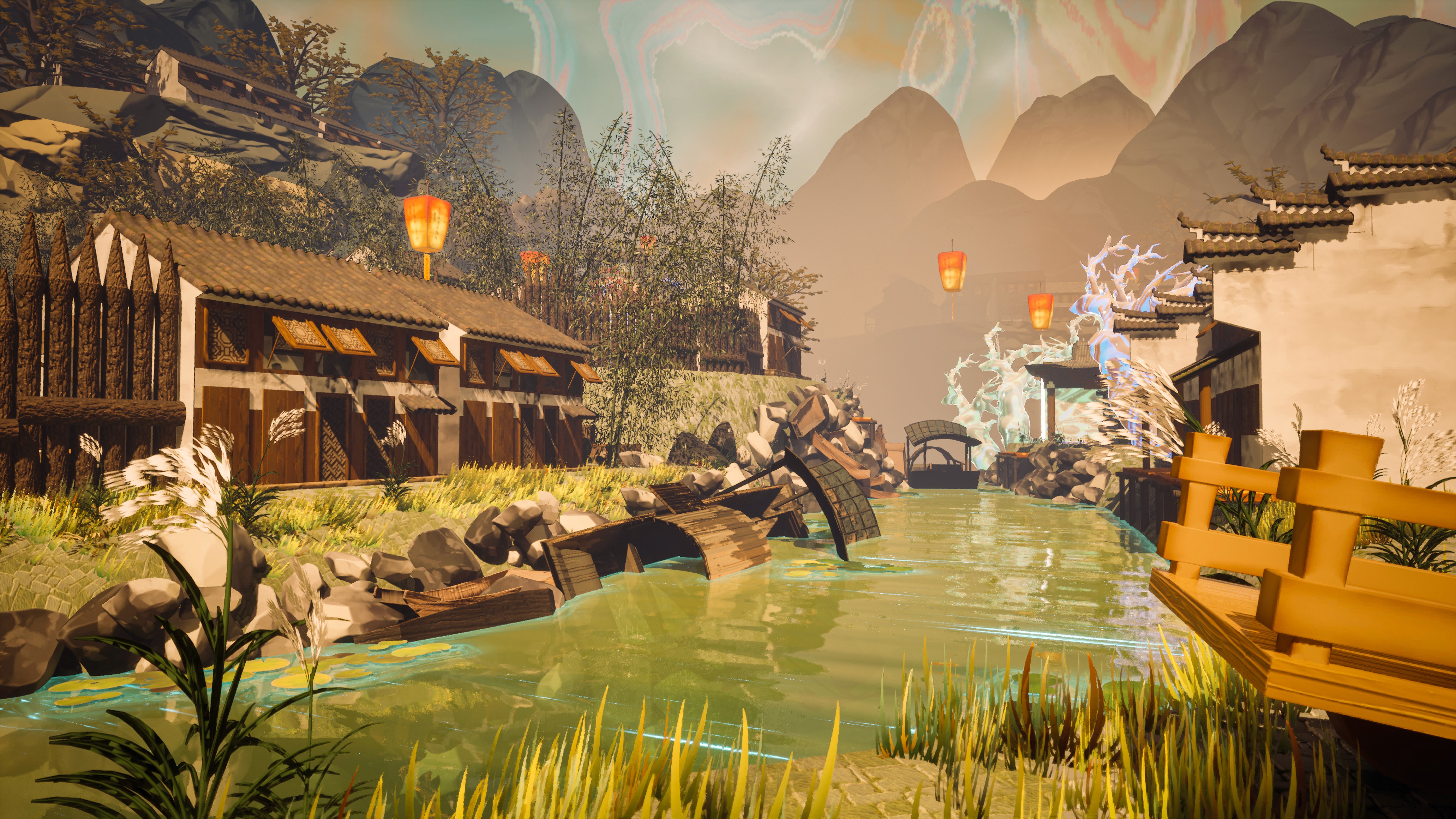
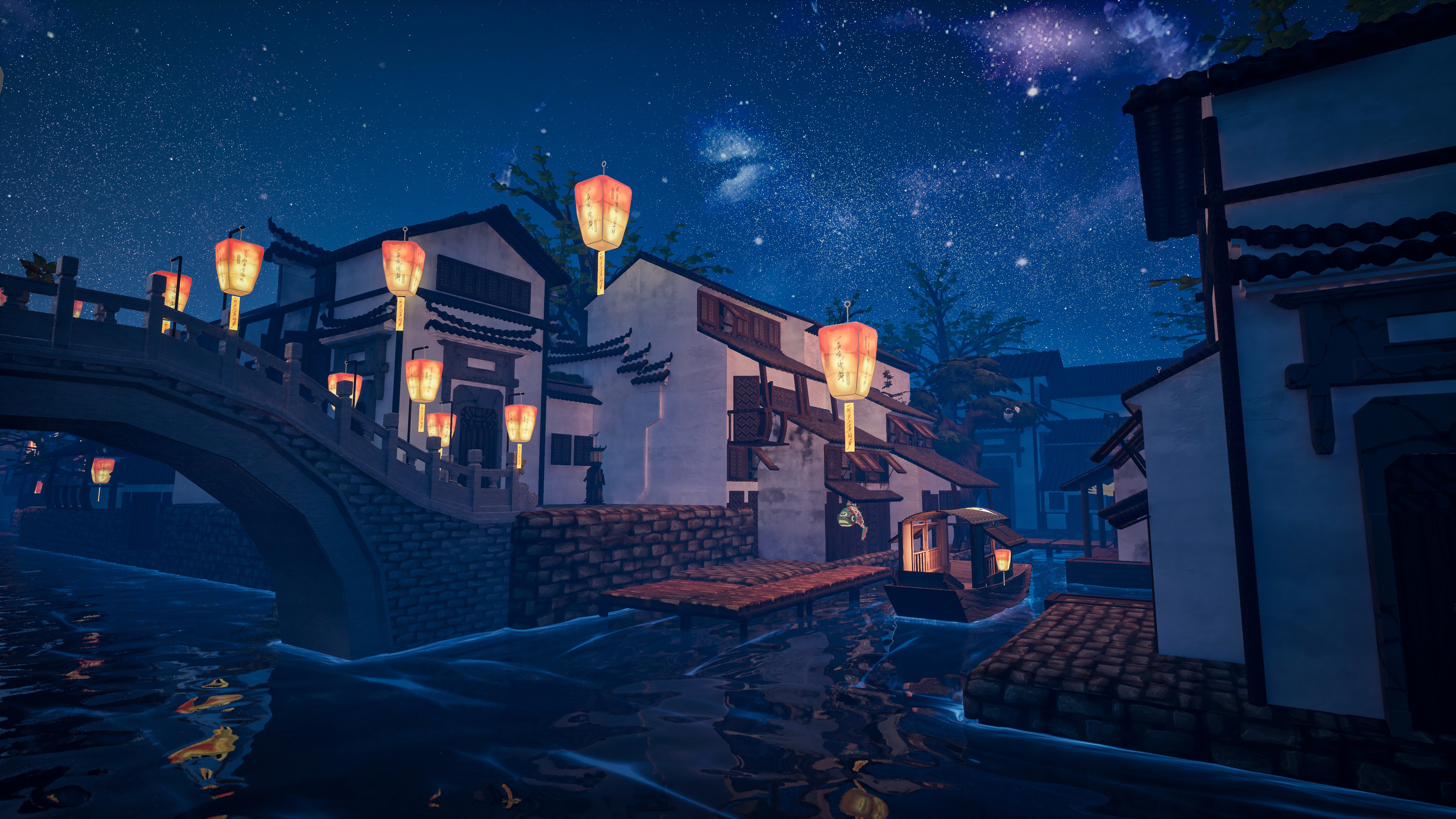
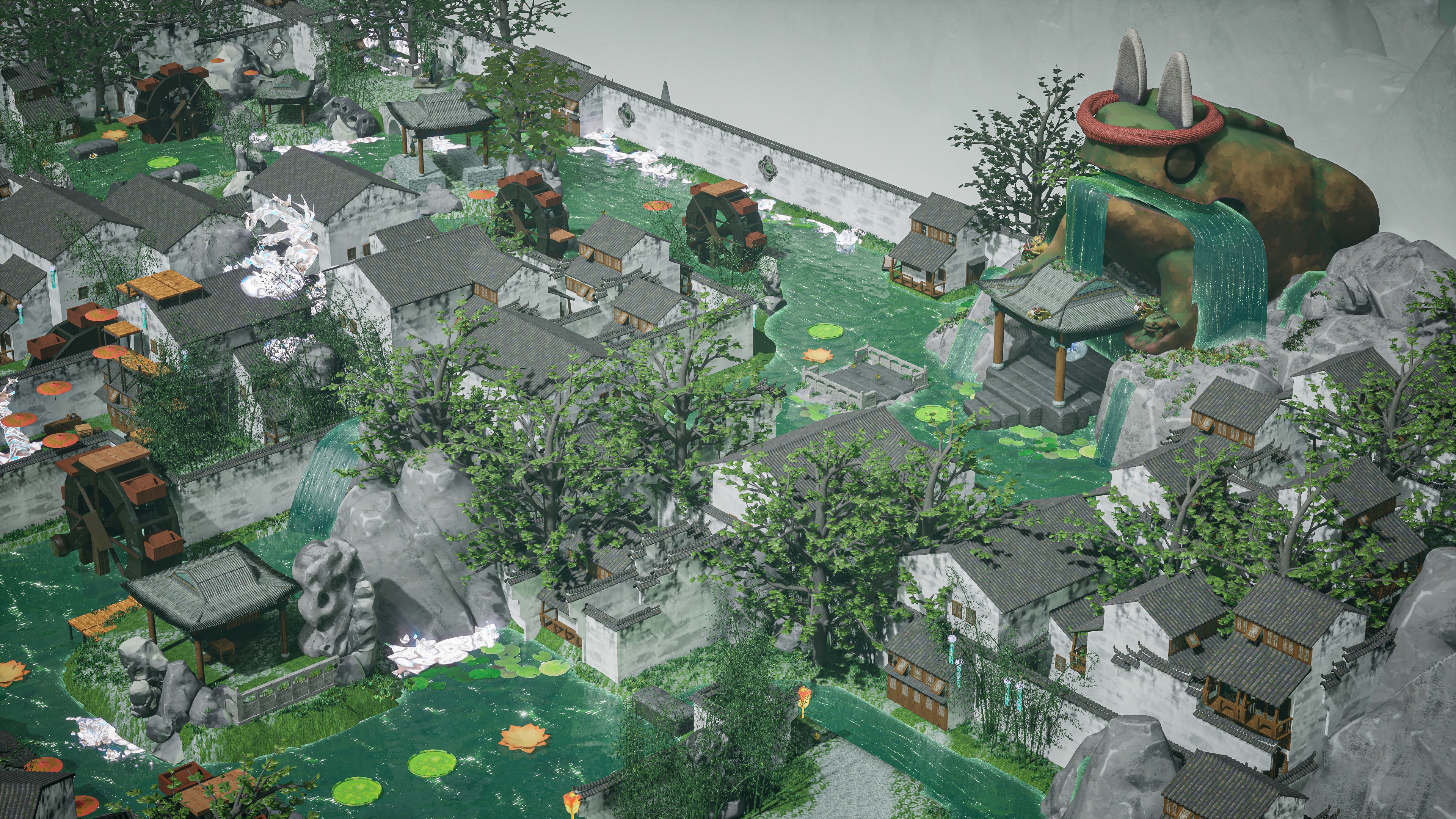
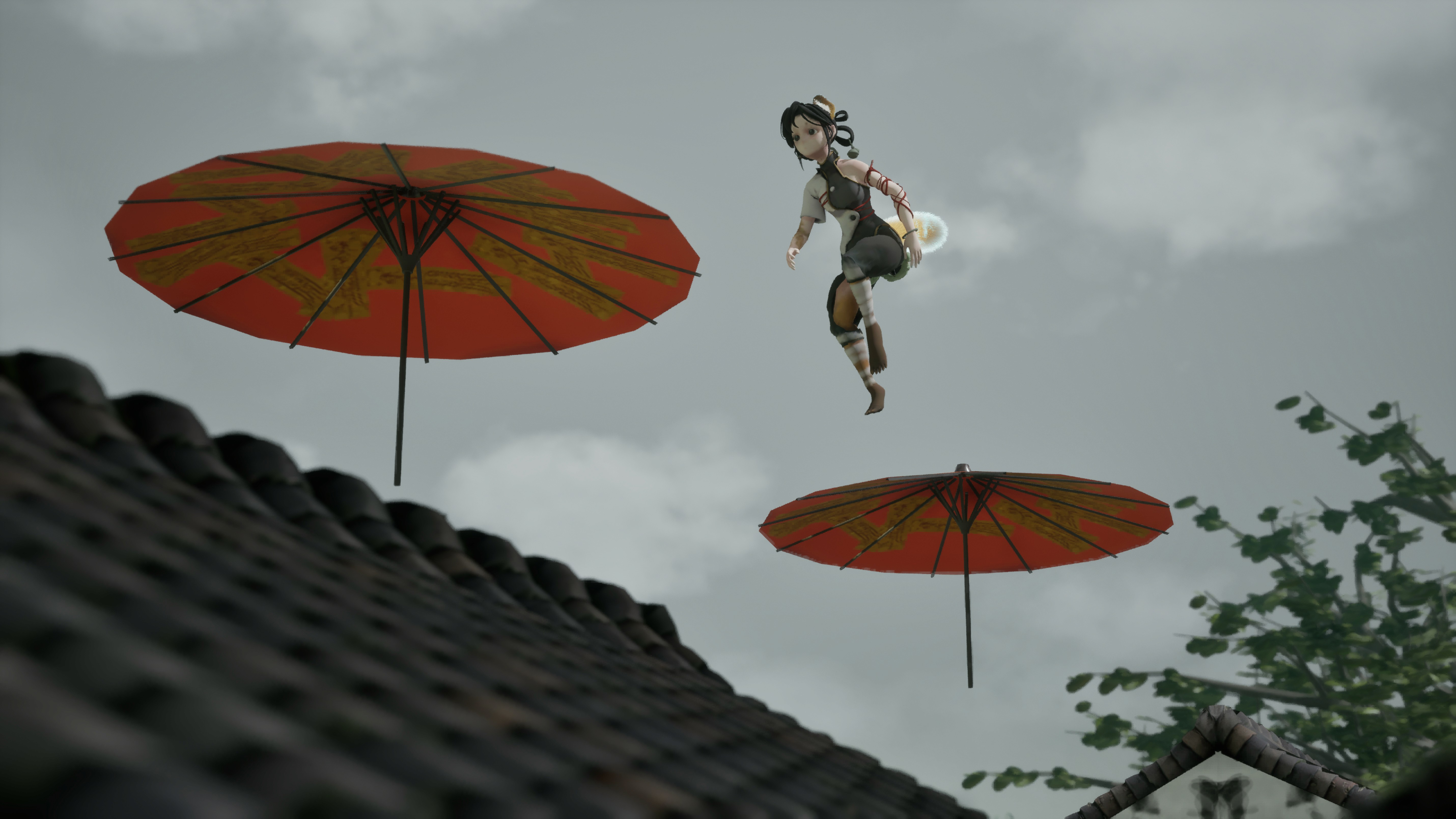
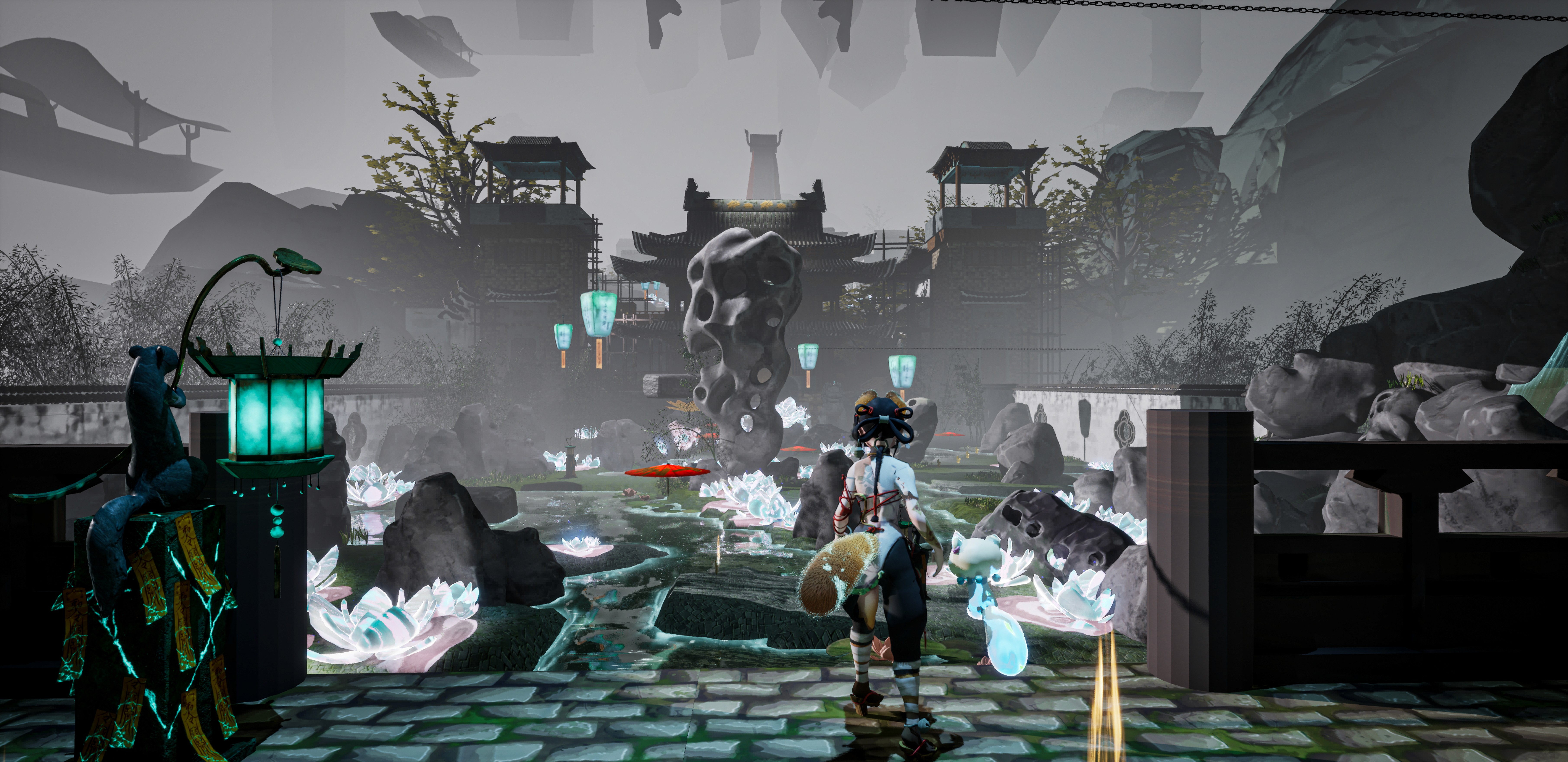
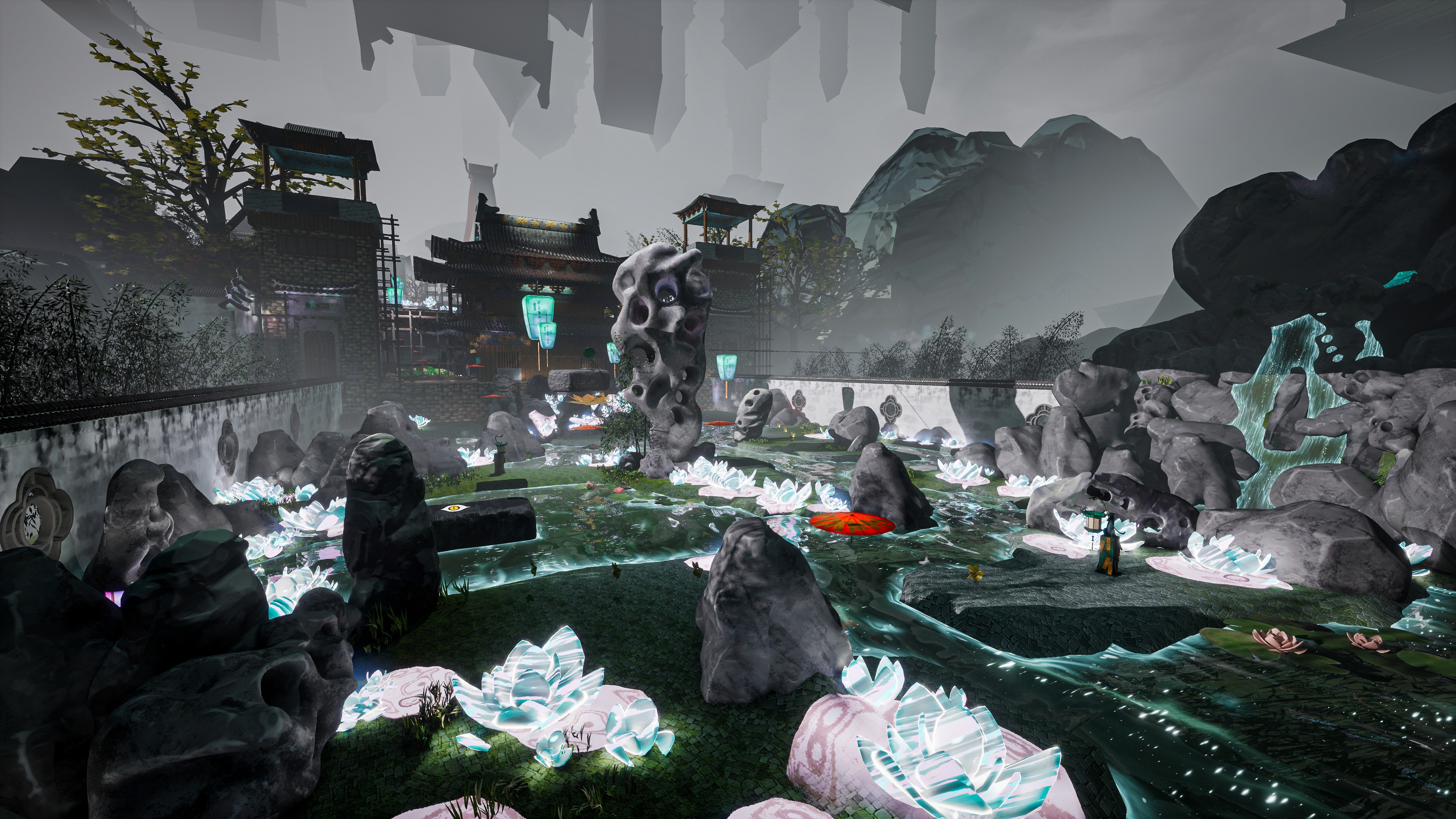
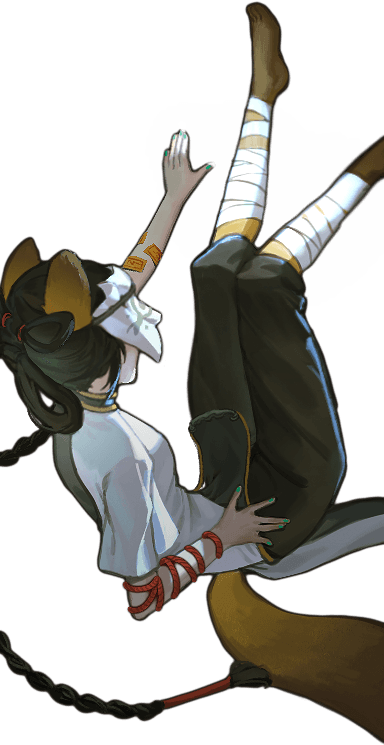
Game Screenshots

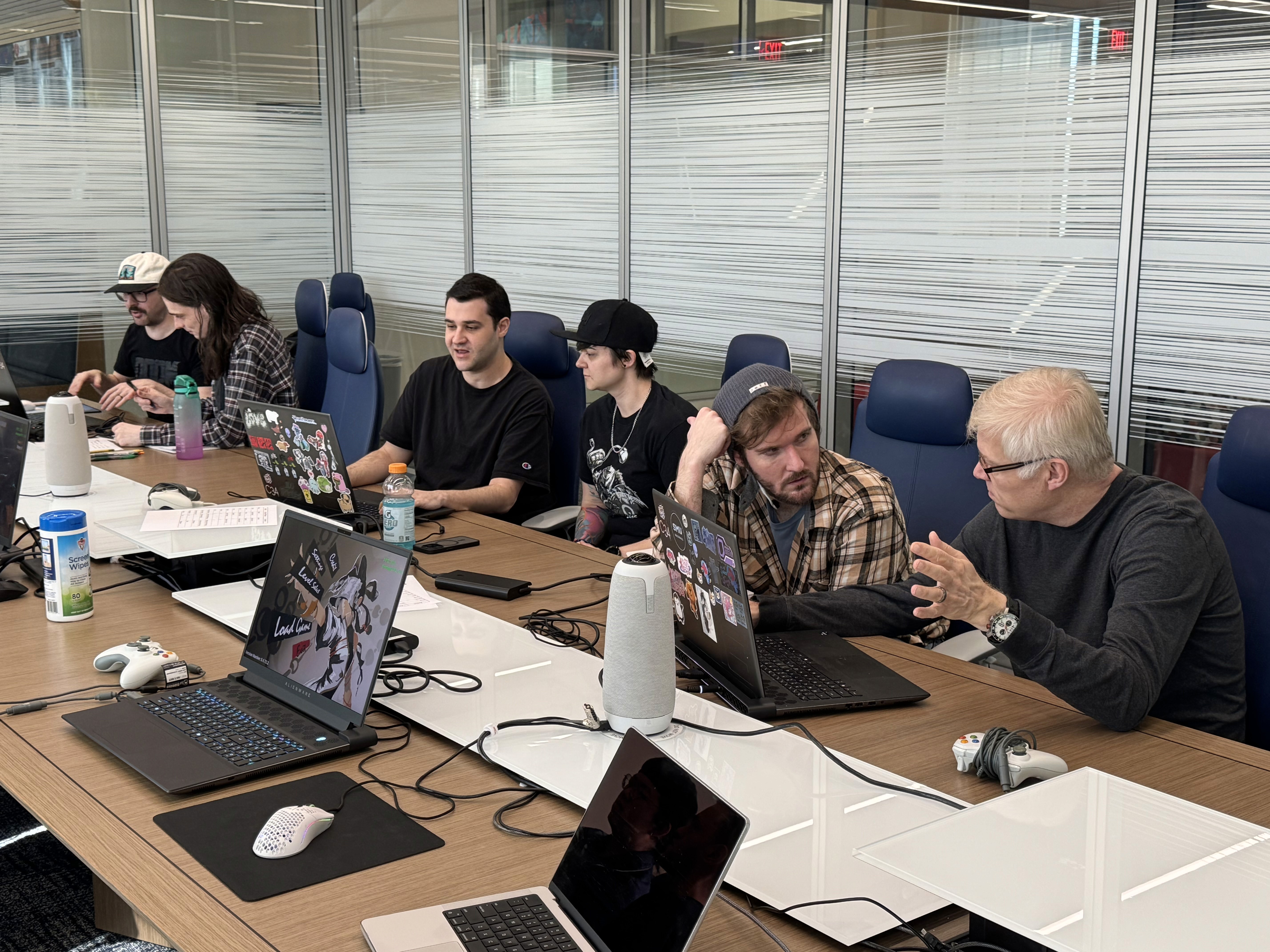
The Ling and the Corrupted Hollow Team!
The entire development team! The team consisted of two Producers, Artists, Level Designers, and Software Developers. There was also a Lead Artist, Lead Level Designer, Lead Software Developer, and Game Designer.
The Ling and the Corrupted Hollow Team!
The entire development team! The team consisted of two Producers, Artists, Level Designers, and Software Developers. There was also a Lead Artist, Lead Level Designer, Lead Software Developer, and Game Designer.
95%
55%
Alpha Milestone
Plan and Deliverable Document
I created this document and finalized its contents before negotiating them with stakeholders at the start of the sprint.
Alpha Milestone
Presentation Deck
This presentation was compiled by the leads of each discipline, and organized by the producers. We presented to the stakeholders as a team. This presentation occurred at the end of the sprint.
This presentation was compiled by the leads of each discipline, and organized by the producers. We presented to the stakeholders as a team. This presentation occurred at the end of the sprint.
I helped create “The Wall,” a shared space where the team posted new plans, updated art, in-progress work, and plenty of team-made memes. It became a central hub that kept everyone aligned while boosting motivation and morale throughout the project!
Production Tools I Used During This Project
Agile Methodolgies
Jira
Atlassian/Confluence
Perforce
Unreal Engine 5
Steamworks
Miro
Microsoft Office Suite
Adobe Creative Cloud
Slack
Qualtrics
OBS

On release day, the leads and I kept an eye on players as they jumped into the game, staying ready to step in and address any critical issues that came up.
On release day, the leads and I kept an eye on players as they jumped into the game, staying ready to step in and address any critical issues that came up.
I organized and ran regular playtests to see how players interacted with the game and where improvements were needed. We also brought in industry professionals to play the game and share feedback, which we documented and turned into clear next steps for the team!
I organized and ran regular playtests to see how players interacted with the game and where improvements were needed. We also brought in industry professionals to play the game and share feedback, which we documented and turned into clear next steps for the team!
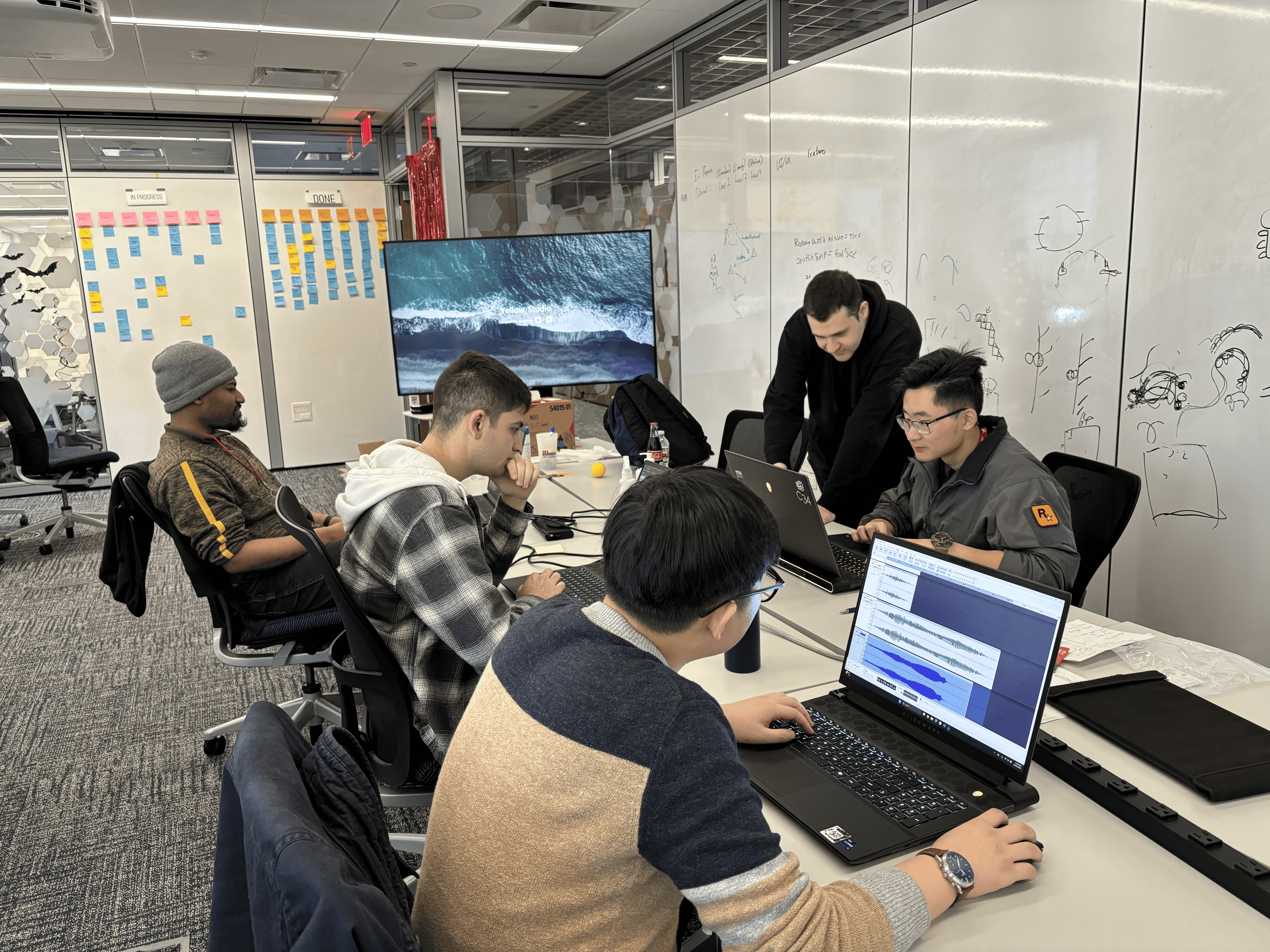
Kept a detailed record of stakeholder and expert feedback, ensuring key notes were preserved and reflected in ongoing production decisions.
Facilitated sprint retrospectives with the full team, encouraging open discussion, identifying process improvements, and driving continuous iteration.
Actively resolved team conflicts and coached leads on de-escalation techniques to maintain a healthy, productive team environment.
Functioned as the publishing producer at the end of the project, organizing builds, metadata, and assets in Steamworks to successfully ship the game.
Owned and managed the product backlog, documenting requirements, prioritizing tasks, and communicating decisions across disciplines.
Led sprint planning, standups, retros, and milestone reviews with stakeholders to maintain alignment and transparency across all disciplines.
Coordinated dependencies across design, art, and engineering to keep milestone scope achievable.

Owned and managed the product backlog, documenting requirements, prioritizing tasks, and communicating decisions across disciplines.
Led sprint planning, standups, retros, and milestone reviews with stakeholders to maintain alignment and transparency across all disciplines.
Coordinated dependencies across design, art, and engineering to keep milestone scope achievable.
As Producer, my responsibilities included…
As Producer, my responsibilities included…
As Producer, my responsibilities included…
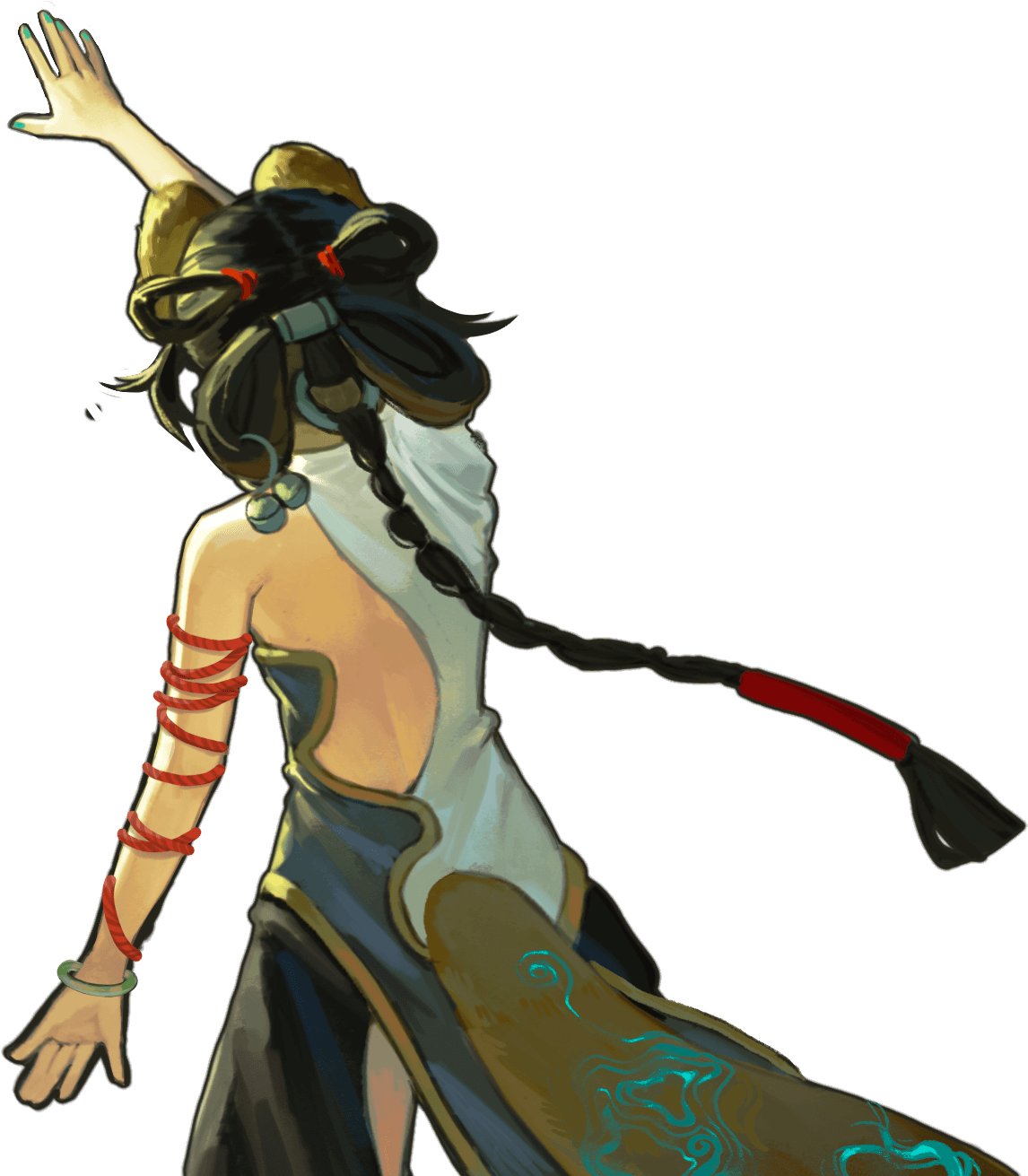
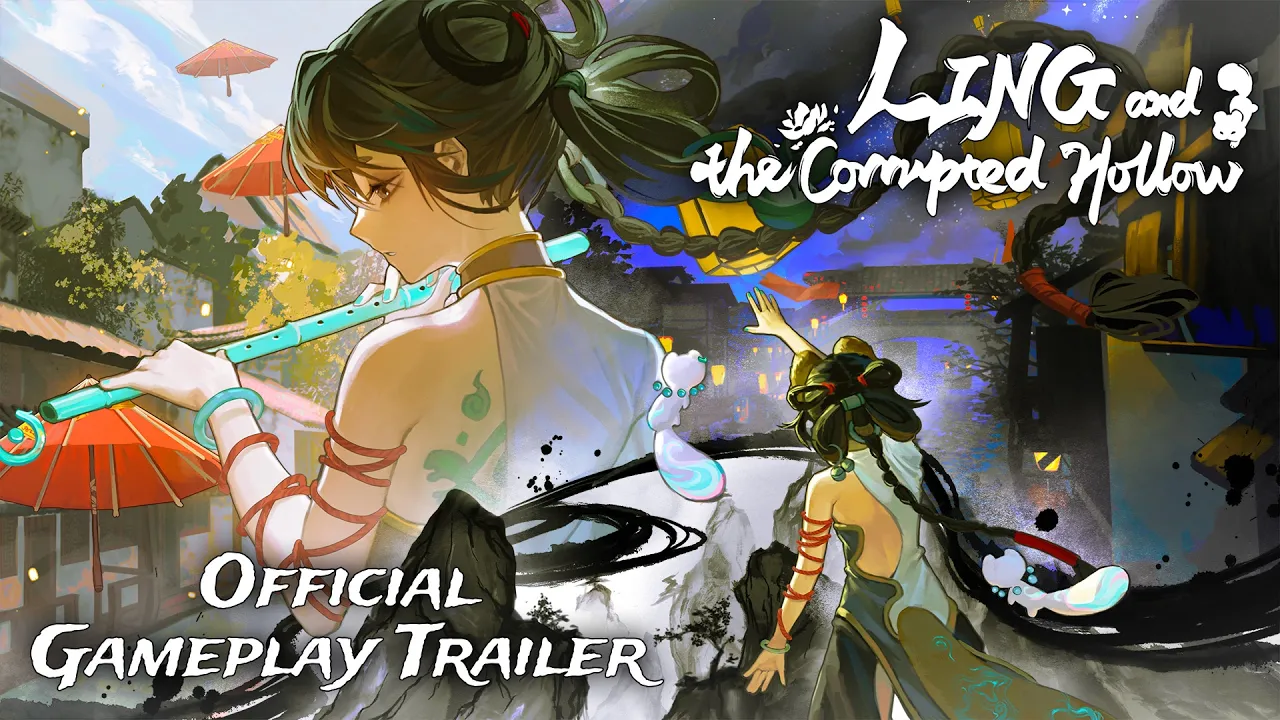
Game Trailer
Project Overview
Project Overview
Role: Producer
Role: Producer
Role: Producer
Duration: June 2025 - December 2025
Duration: June 2025 - December 2025
Engine: Unreal Engine 5
Engine: Unreal Engine 5
Engine: Unreal Engine 5
Team Size: 26
Team Size: 26
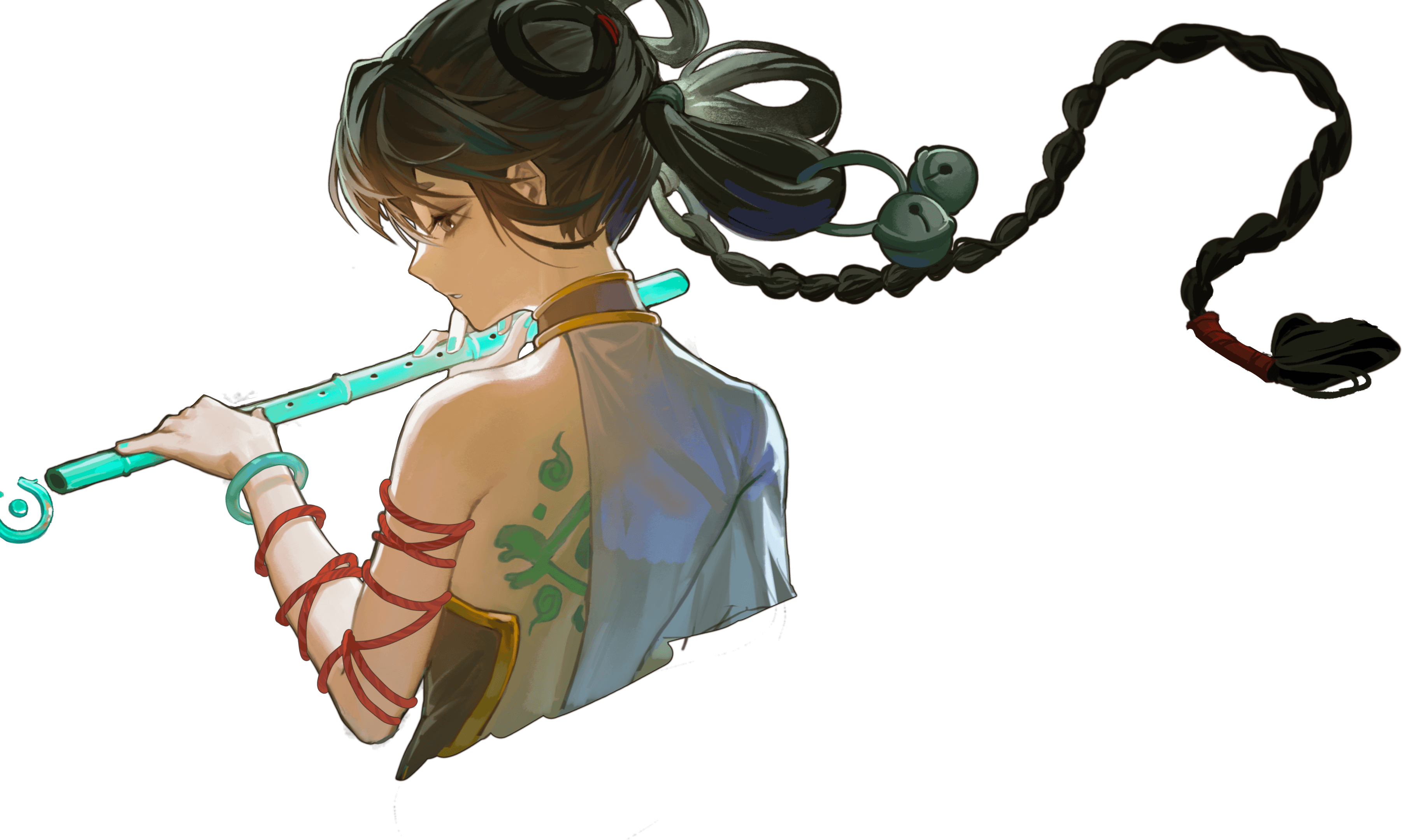
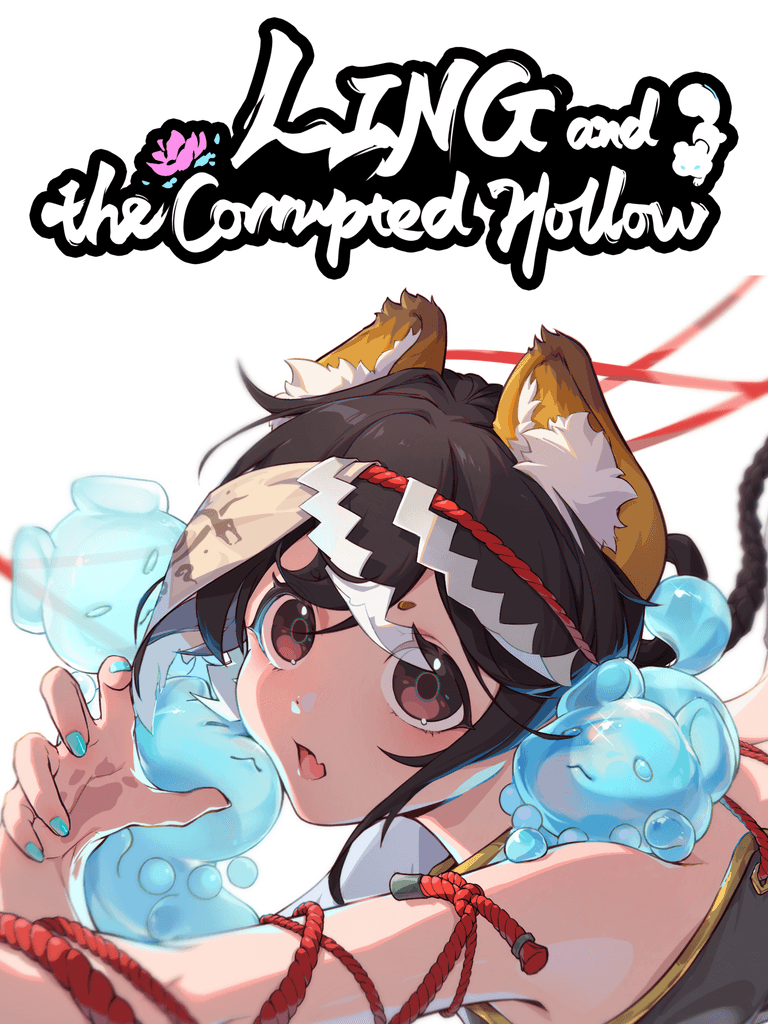
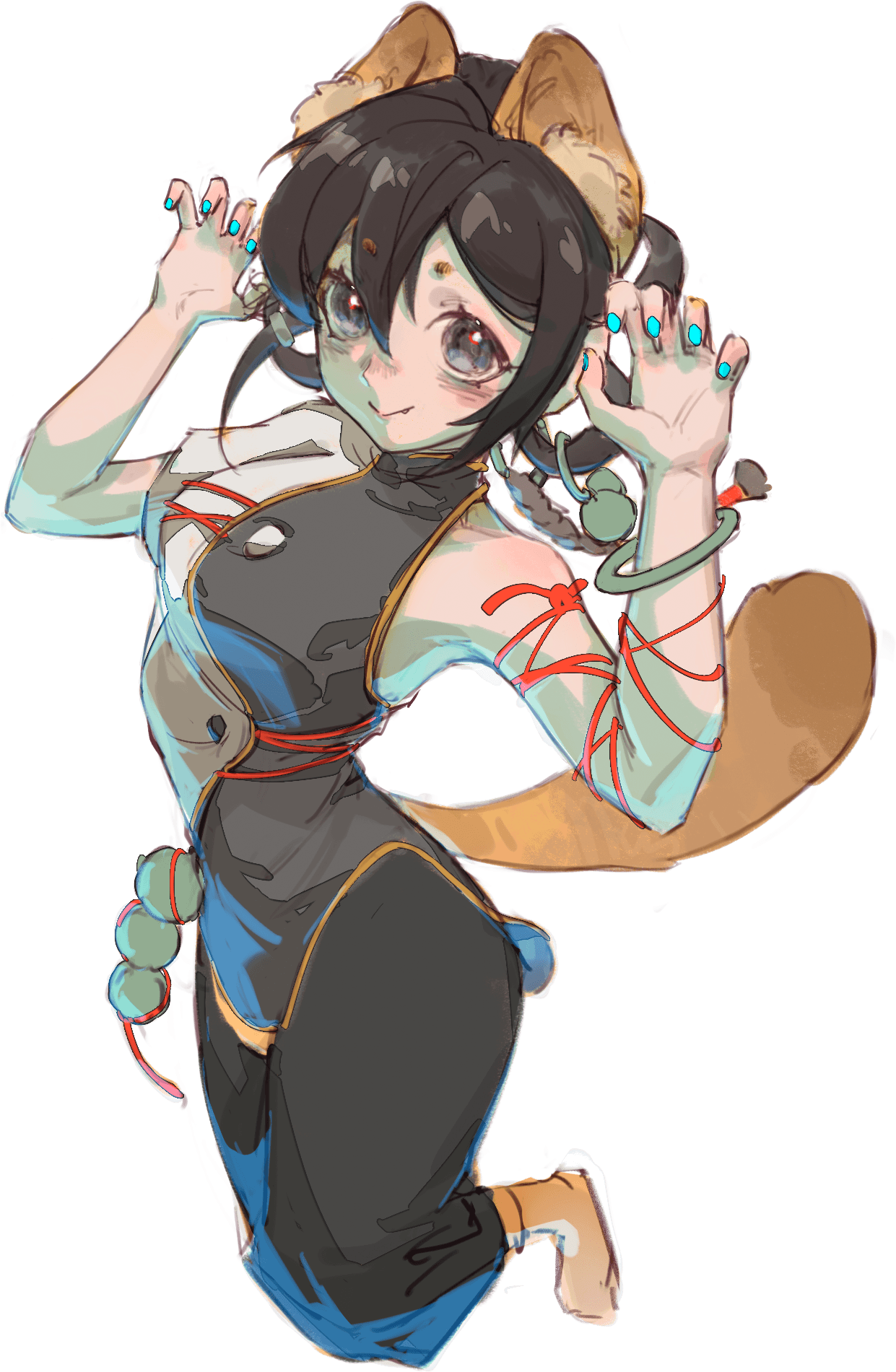
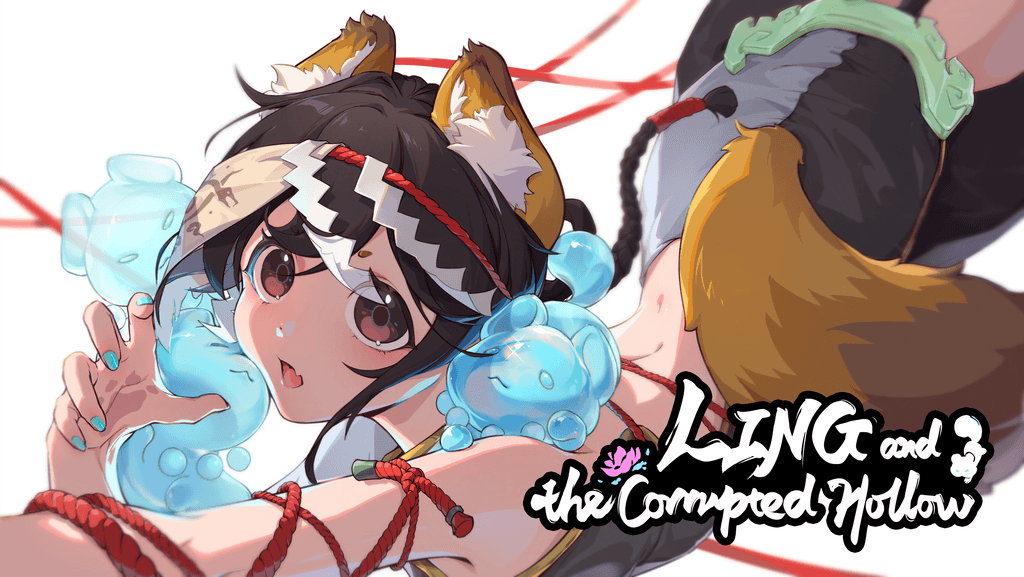
Ling and the Corrupted Hollow is a 3D third-person puzzle-platforming game for PC where players use adorable animal spirits to explore a mythical world of a lost paradise, helping Ling and the spirits cleanse the Hollow Woods.
Ling and the Corrupted Hollow is a 3D third-person puzzle-platforming game for PC where players use adorable animal spirits to explore a mythical world of a lost paradise, helping Ling and the spirits cleanse the Hollow Woods. Possess and control the world around you as you search for soul shards to purify the corrupted Tree and restore balance to your home. Play it for FREE on Steam!
Ling and the Corrupted Hollow is a 3D third-person puzzle-platforming game for PC where players use adorable animal spirits to explore a mythical world of a lost paradise, helping Ling and the spirits cleanse the Hollow Woods.
Project Overview
Role: Producer
Duration: June 2025 - December 2025
Engine: Unreal Engine 5
Team Size: 26
Ling and the Corrupted Hollow is a 3D third-person puzzle-platforming game for PC where players use adorable animal spirits to explore a mythical world of a lost paradise, helping Ling and the spirits cleanse the Hollow Woods.

Kept a detailed record of stakeholder and expert feedback, ensuring key notes were preserved and reflected in ongoing production decisions.
Facilitated sprint retrospectives with the full team, encouraging open discussion, identifying process improvements, and driving continuous iteration.
Actively resolved team conflicts and coached leads on de-escalation techniques to maintain a healthy, productive team environment.
Functioned as the publishing producer at the end of the project, organizing builds, metadata, and assets in Steamworks to successfully ship the game.
Game Screenshots
Ling and the Corrupted Hollow
Personal Postmortem
What I Learned…
Motivation Through Atmosphere
A really important part of this project for me was creating an enjoyable work environment. My co-producer and I decorated the room, brought in toys and treats, and created “The Wall” where the team could share memes, art, and ideas. We also respected that everyone works differently, offering quiet, isolated spaces for those who needed focus. This taught me how important it is to balance fun and productivity, ensuring the team feels motivated without letting distractions derail progress.
Keep Everyone in the Loop
Even though the team always did Scrums every day to keep each other accountable and up to date with progress, keeping the team informed at the start and end of each day was crucial. We held announcements and updates, sometimes verbally or through a slideshow, so everyone knew where the project stood. This transparency created trust and allowed the team to feel confident in decisions coming from the leads. I learned that regular communication isn’t just about sharing progress, it’s about fostering trust and alignment across the team.
Burnout Is Real
Anyone who has worked on a project for a long stretch of time knows that it can cause heavy burnout, and we saw first-hand how team excitement can fade over time. Several members who were initially eager to come in and work every day became tired and frustrated by the end of the project. To help, I met with team members individually to understand what they wanted to work on and how leads could support them. I learned that recognizing when something isn’t working, adjusting assignments or priorities is key to keeping morale high and the team productive throughout a long-term project.
Learning to Trim Scope
Originally, our game was supposed to have a massive hub area connecting all the levels, but it quickly became clear this was out of scope. While it was a cool idea that would have added narrative exploration and extra puzzles, the sheer size made it impossible to finish on time. By the end of our Alpha milestone, we decided to cut the hub by 85%, keeping only the essential sections the game needed. This taught me the lesson that even exciting ideas need to be balanced against the time available and the risk of burning out the team even more.
Puzzles Aren’t Easy
Designing puzzles proved to be far more difficult than anticipated. Our unique mechanic of using little spirits to move or unlock objects created a lot of creative opportunities, but it also meant the design team spent countless hours figuring out how to make puzzles fun, engaging, and not repetitive. By the time we reached Alpha, the puzzles finally felt unique, but it was late in development, and the game had shifted from a “puzzle platformer” to a platformer with scattered puzzles. A major takeaway from this project is that puzzles require extensive testing, iteration, and time to feel right, and that rushing them can change the core experience of a game.
Designing With Cultural Accuracy
Creating a game inspired by ancient fantasy China taught me the importance of cultural accuracy and attention to detail. We researched everything from architecture, art, and even naming conventions, where we finally ended up with the protagonist’s name being, Ling, meaning “Spirit” and “Bell” in Chinese. We also ensured the game could be translated into Simplified and Traditional Chinese, keeping the experience authentic. This taught me how meticulous you must be when designing a game influenced by another culture, and how small details can make a huge difference in player trust and immersion.
Kept a detailed record of stakeholder and expert feedback, ensuring key notes were preserved and reflected in ongoing production decisions.
Facilitated sprint retrospectives with the full team, encouraging open discussion, identifying process improvements, and driving continuous iteration.
Actively resolved team conflicts and coached leads on de-escalation techniques to maintain a healthy, productive team environment.
Functioned as the publishing producer at the end of the project, organizing builds, metadata, and assets in Steamworks to successfully ship the game.
I organized and ran regular playtests to see how players interacted with the game and where improvements were needed. We also brought in industry professionals to play the game and share feedback, which we documented and turned into clear next steps for the team!
Ling and the Corrupted Hollow
Personal Postmortem
What I Learned…
Motivation Through Atmosphere
A really important part of this project for me was creating an enjoyable work environment. My co-producer and I decorated the room, brought in toys and treats, and created “The Wall” where the team could share memes, art, and ideas. We also respected that everyone works differently, offering quiet, isolated spaces for those who needed focus. This taught me how important it is to balance fun and productivity, ensuring the team feels motivated without letting distractions derail progress.
Keep Everyone in the Loop
Even though the team always did Scrums every day to keep each other accountable and up to date with progress, keeping the team informed at the start and end of each day was crucial. We held announcements and updates, sometimes verbally or through a slideshow, so everyone knew where the project stood. This transparency created trust and allowed the team to feel confident in decisions coming from the leads. I learned that regular communication isn’t just about sharing progress, it’s about fostering trust and alignment across the team.
Burnout Is Real
Anyone who has worked on a project for a long stretch of time knows that it can cause heavy burnout, and we saw first-hand how team excitement can fade over time. Several members who were initially eager to come in and work every day became tired and frustrated by the end of the project. To help, I met with team members individually to understand what they wanted to work on and how leads could support them. I learned that recognizing when something isn’t working, adjusting assignments or priorities is key to keeping morale high and the team productive throughout a long-term project.
Learning to Trim Scope
Originally, our game was supposed to have a massive hub area connecting all the levels, but it quickly became clear this was out of scope. While it was a cool idea that would have added narrative exploration and extra puzzles, the sheer size made it impossible to finish on time. By the end of our Alpha milestone, we decided to cut the hub by 85%, keeping only the essential sections the game needed. This taught me the lesson that even exciting ideas need to be balanced against the time available and the risk of burning out the team even more.
Puzzles Aren’t Easy
Designing puzzles proved to be far more difficult than anticipated. Our unique mechanic of using little spirits to move or unlock objects created a lot of creative opportunities, but it also meant the design team spent countless hours figuring out how to make puzzles fun, engaging, and not repetitive. By the time we reached Alpha, the puzzles finally felt unique, but it was late in development, and the game had shifted from a “puzzle platformer” to a platformer with scattered puzzles. A major takeaway from this project is that puzzles require extensive testing, iteration, and time to feel right, and that rushing them can change the core experience of a game.
Designing With Cultural Accuracy
Creating a game inspired by ancient fantasy China taught me the importance of cultural accuracy and attention to detail. We researched everything from architecture, art, and even naming conventions, where we finally ended up with the protagonist’s name being, Ling, meaning “Spirit” and “Bell” in Chinese. We also ensured the game could be translated into Simplified and Traditional Chinese, keeping the experience authentic. This taught me how meticulous you must be when designing a game influenced by another culture, and how small details can make a huge difference in player trust and immersion.
On release day, the leads and I kept an eye on players as they jumped into the game, staying ready to step in and address any critical issues that came up.
Alpha Milestone
Presentation Deck
This presentation was compiled by the leads of each discipline, and organized by the producers. We presented to the stakeholders as a team. This presentation occurred at the end of the sprint.
Production Tools I Used During This Project
Agile Methodolgies
Jira
Atlassian/Confluence
Perforce
Unreal Engine 5
Steamworks
Miro
Microsoft Office Suite
Adobe Creative Cloud
Slack
Qualtrics
OBS
Game Screenshots
Owned and managed the product backlog, documenting requirements, prioritizing tasks, and communicating decisions across disciplines.
Led sprint planning, standups, retros, and milestone reviews with stakeholders to maintain alignment and transparency across all disciplines.
Coordinated dependencies across design, art, and engineering to keep milestone scope achievable.